
Smart Pre-Listing Preparation for Charlottesville Sellers
April 16, 2026
April 16, 2026
If you are thinking about selling your Charlottesville home, it is easy to wonder where to start. In a market where buyers have more choices than they did a few years ago, the homes that show well and feel move-in ready often make the strongest first impression. With the right prep plan, you can focus your time and money where it counts most and avoid last-minute stress. Let’s dive in.
Charlottesville sellers are not in a one-size-fits-all market. According to the CAAR Q4 2025 Housing Market Report, the city recorded 88 sales in the quarter, a median sales price of $546,140, and a median days on market of 22. The same report notes 899 active listings regionwide in January 2026 and 2.9 months of supply, which points to a market where presentation can shape how quickly buyers respond.
That matters even more in Charlottesville because much of the housing stock is older. The city’s housing overview lists a median year built of 1964, with 42.3% of housing units built before 1960. In practical terms, your prep strategy should reflect your home’s condition, age, and character rather than follow a generic checklist.
Before you repaint every wall or replace fixtures, step back and assess the home as a buyer would. In Charlottesville, older homes often need attention in areas like moisture, exterior maintenance, insulation, and aging systems. A clear understanding of what is visible and what may raise concern helps you spend wisely.
The city also notes that more than 21,000 area homes were built before Virginia enacted insulation code requirements, which makes efficiency-related issues especially relevant in this market. If your home feels drafty, shows signs of wear around windows or trim, or has visible attic-related issues, those items may deserve more attention than cosmetic upgrades alone.
A thoughtful pre-listing review can help you answer a few important questions:
In many Charlottesville homes, the smartest updates are simple and visible. Fresh paint, repaired trim, working fixtures, clean surfaces, and tidy landscaping often do more for buyer confidence than an expensive remodel. The goal is not to erase the home’s character. It is to remove distractions and make the property feel cared for.
That approach fits Charlottesville well. The city describes areas such as Belmont, Woolen Mills, and Fry’s Spring as places with long-established housing and varied architectural styles. Buyers often respond to a home that preserves its charm while clearly showing good upkeep.
High-confidence pre-listing updates often include:
Not every update has to be cosmetic. In an older home, comfort and efficiency can support buyer appeal too. Charlottesville’s attic insulation rebate program highlights the value of insulation and air sealing, and the city also notes an available federal tax credit.
If you are choosing between a large discretionary project and a practical upgrade that improves comfort, it may be worth looking closely at the practical option first. Buyers may not see attic insulation in a listing photo, but they often notice when a home feels better maintained and more comfortable overall.
If your Charlottesville home was built before 1978, lead-based paint rules are part of the prep conversation. The EPA’s guidance on lead-based paint laws says buyers of pre-1978 homes should receive lead information and a disclosure about lead hazards. Virginia public health guidance also recommends using a lead-safe certified contractor or risk assessor before renovation, repair, or painting projects on older homes.
Virginia disclosure requirements matter as well. Sellers are required to provide the state residential property disclosure statement and any other applicable written disclosures before ratification. Handling these items early can help your listing process feel smoother and more organized.
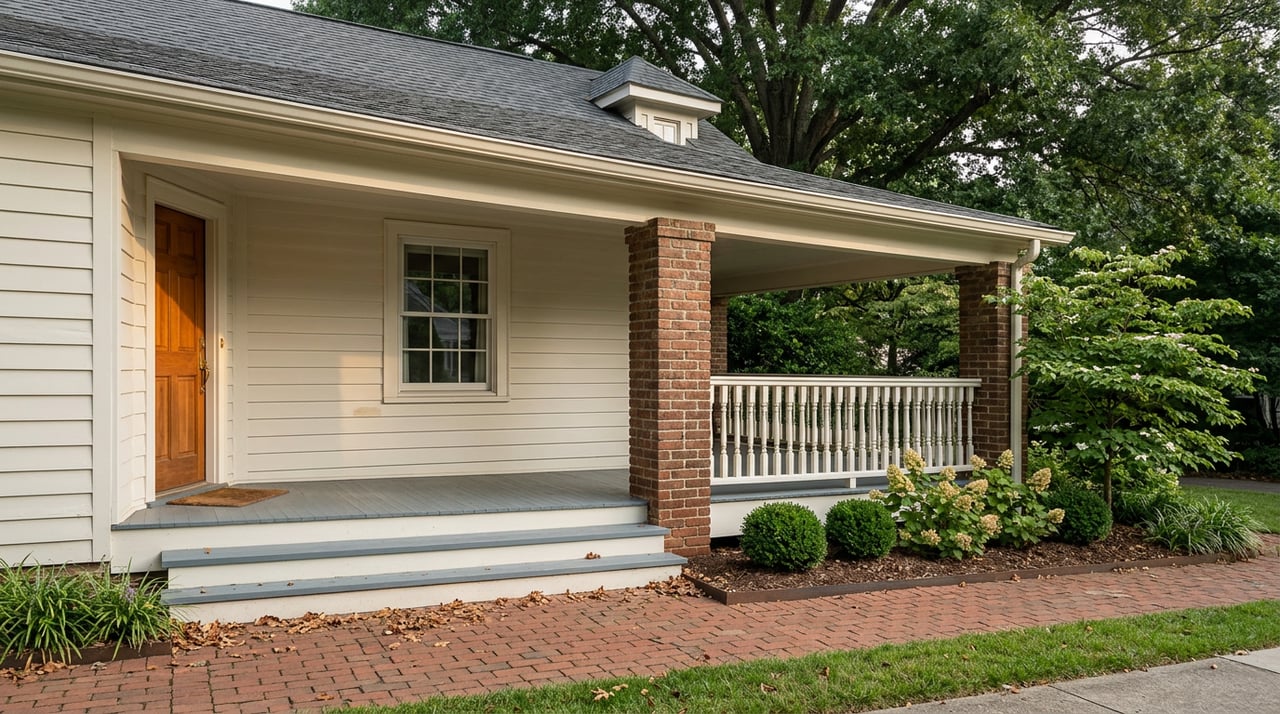
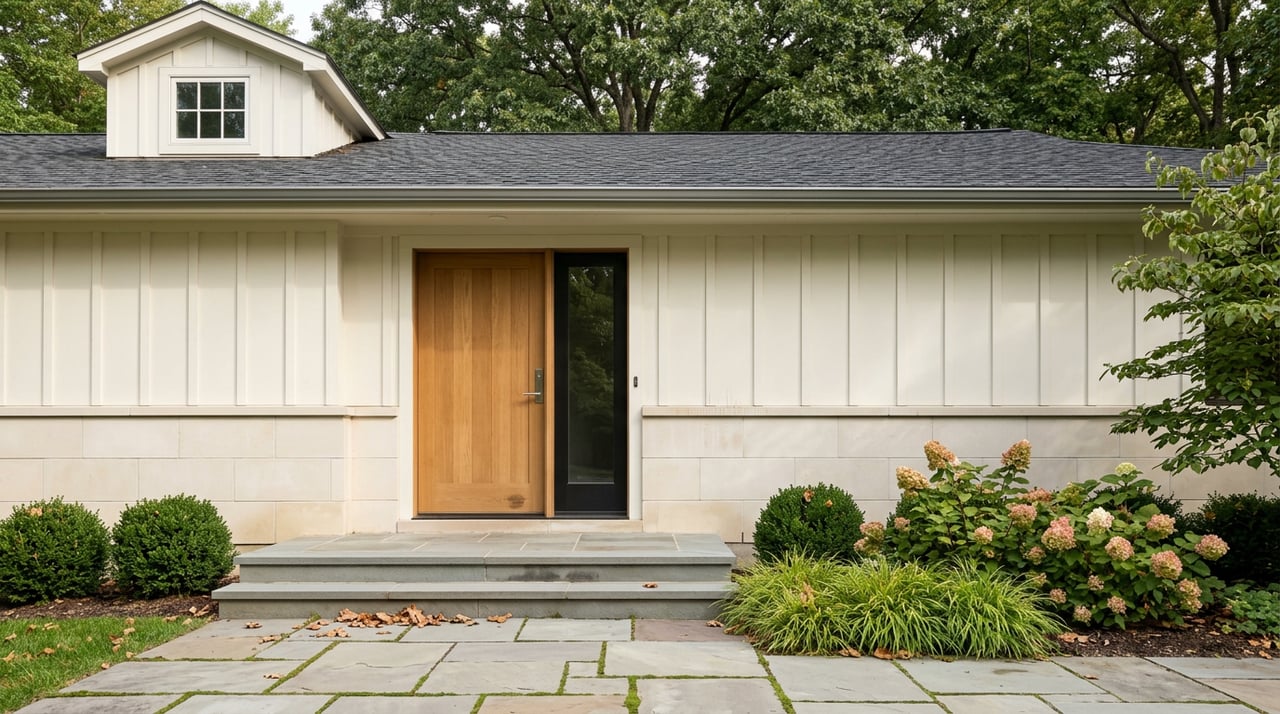
Buyers often form their first opinion before they ever step inside. Charlottesville’s housing planning documents emphasize homes that fit within walking, biking, or transit distance of amenities, which makes the exterior experience especially important in many parts of the city. The front approach, porch, and entry can shape how your home feels online and in person.
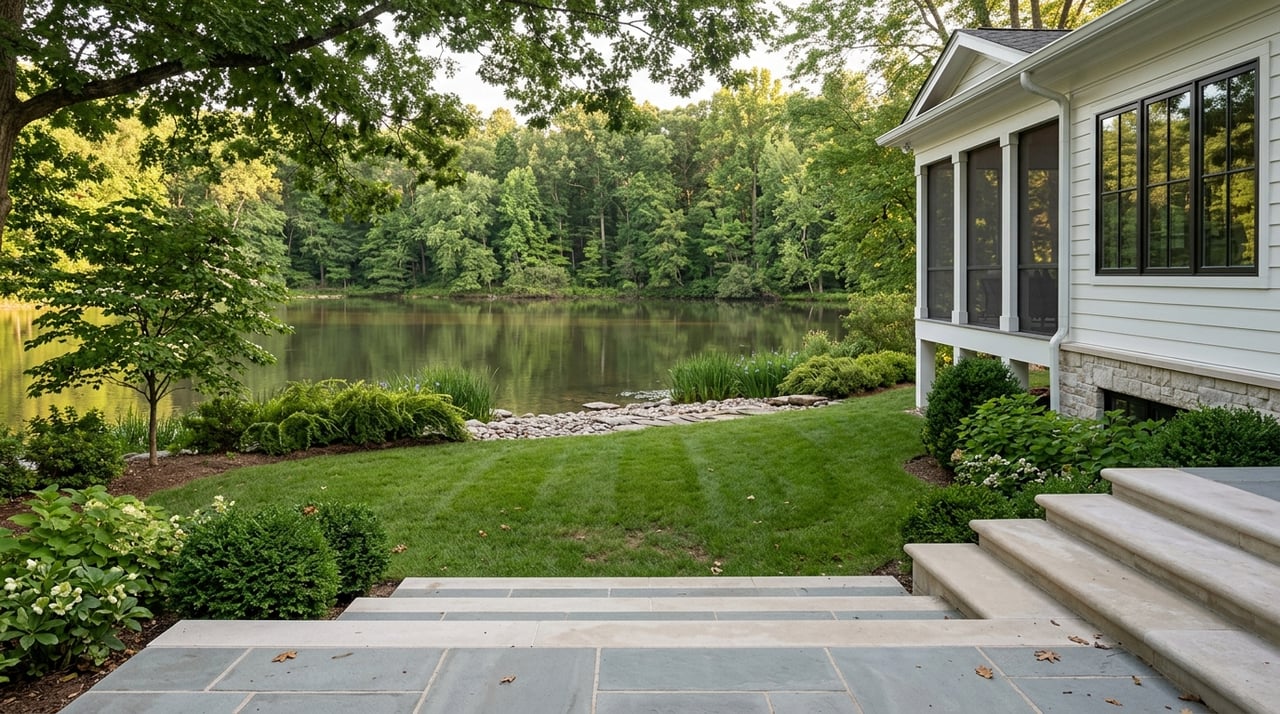
You do not need elaborate landscaping to improve curb appeal. What usually matters most is a clean, welcoming presentation.
Before listing photos, try to:
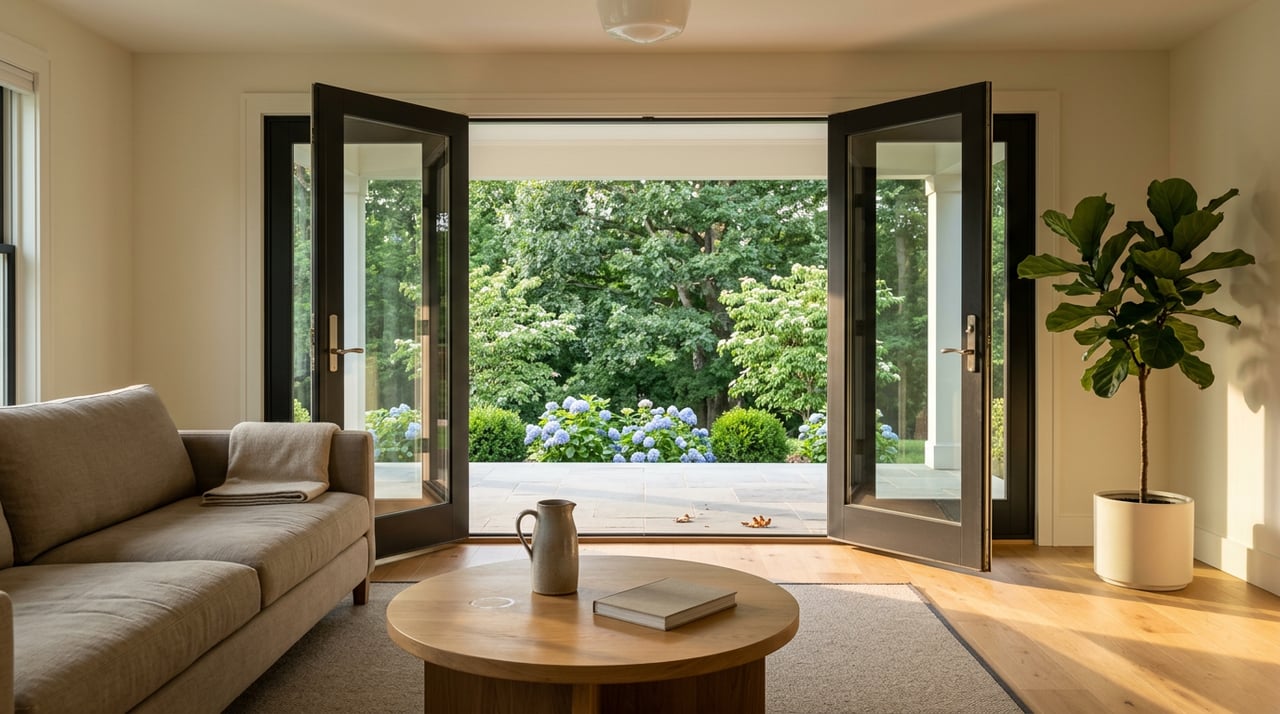
Staging does not have to mean fully furnishing a vacant home or spending heavily on décor. Often, it means editing the space so buyers can understand the layout, scale, and function. According to the NAR 2025 staging profile, 83% of buyers’ agents said staging made it easier for buyers to visualize the home.
The same research notes that the most commonly staged rooms are the living room, primary bedroom, and dining room. If you are deciding where to focus, start there. Clean lines, less furniture, clear surfaces, and a calm, neutral feel can make these spaces read better both online and in person.
Professional photography should be part of the plan, not an afterthought. NAR’s consumer guide to marketing your home notes that marketing may include staging, professional photography, social media, signage, open houses, and competitive pricing. It also reports that 81% of buyers rated listing photos as the most useful feature in their online search, while 52% found the home they purchased online.
That means your first few days on the market matter. Photos should happen only after decluttering, cleaning, and touch-ups are complete. If the home is not ready for the camera, it is usually better to wait than to launch with images that do not show the property at its best.
Many sellers lose time and money by doing things out of order. A better approach is to sequence your prep so each step supports the next one. In Charlottesville, that usually means evaluating condition early, choosing a few practical improvements, then moving into staging and marketing.
Here is a simple framework to follow:
A prep plan for a 1920s cottage in Belmont may look different from a mid-century home in the city or a newer property with fewer maintenance concerns. Charlottesville’s housing stock is too varied for a cookie-cutter strategy. What matters most is choosing improvements that support your home’s condition, style, and likely buyer expectations.
This is where local guidance can make a real difference. A patient, strategy-first approach helps you decide what to fix, what to leave alone, and when your home is truly ready to hit the market. If you are thinking about your next move, Gavin Sherwood Real Estate can help you build a prep plan that fits your home, timeline, and goals.
Contact Gavin today to learn more about his unique approach to real estate and how he can help you get the results you deserve.

969 2nd St SE Charlottesville VA 22902