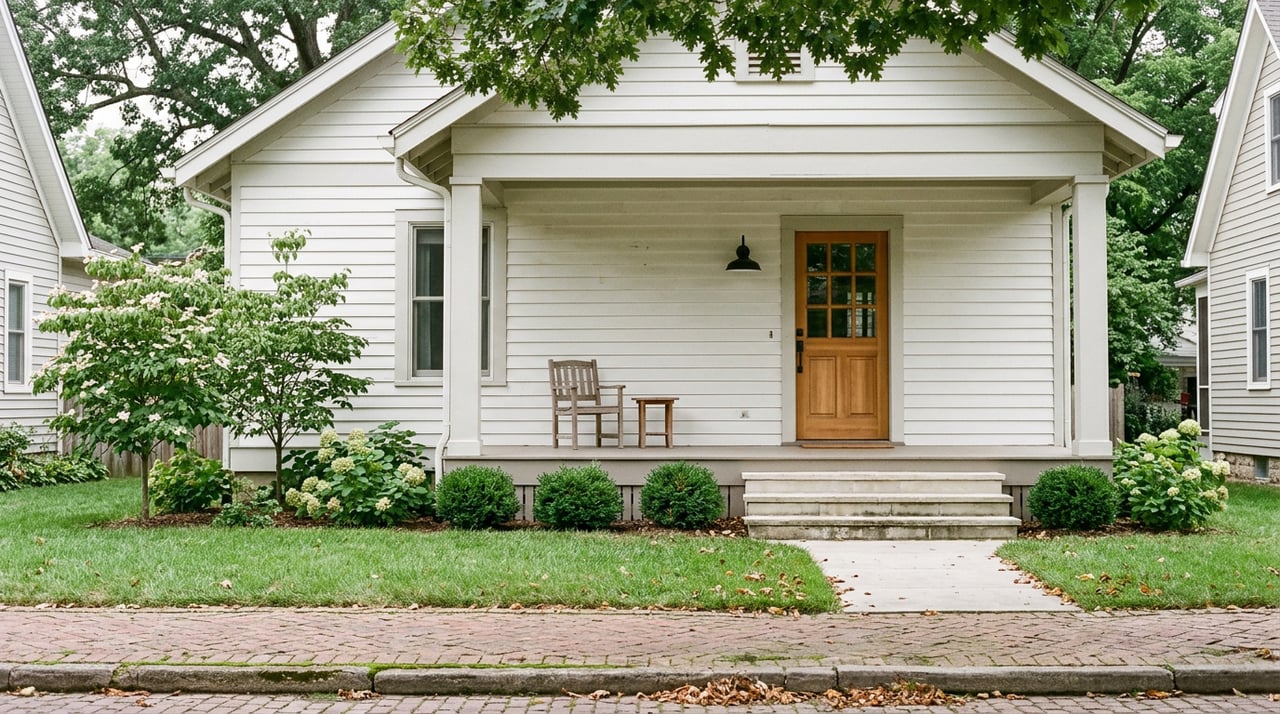
Explore Small Town Living Across Augusta County, VA
March 24, 2026
March 24, 2026
Thinking about trading city pace for a Shenandoah Valley rhythm? If you are eyeing Augusta County, you are likely craving more space, easier access to the outdoors, and a friendly small-town feel without giving up everyday convenience. In this guide, you will see how life actually works across the county’s villages, service hubs, and nearby small cities, plus what housing and commutes look like when you live here. You will also find practical steps to plan your move with confidence. Let’s dive in.
Augusta County sits in Virginia’s central Shenandoah Valley and wraps around the independent cities of Staunton and Waynesboro. The county’s population was about 77,000 at the 2020 count, with daily life centered on small towns, rural roads, and two nearby city downtowns for culture and services. You will see place names like Fishersville, Stuarts Draft, Verona, Weyers Cave, and smaller hamlets spread across rolling countryside. U.S. Census QuickFacts places the county in this size range.
In Virginia, independent cities are separate jurisdictions from the counties that surround them. That matters for schools, taxes, and permits. People who live in the county often spend time in Staunton and Waynesboro for dining, shopping, and events. To get your bearings, review how independent cities work in the Augusta County overview.
You will find different rhythms across the county. Some areas are compact and artsy. Others center on practical retail or quiet farmland.
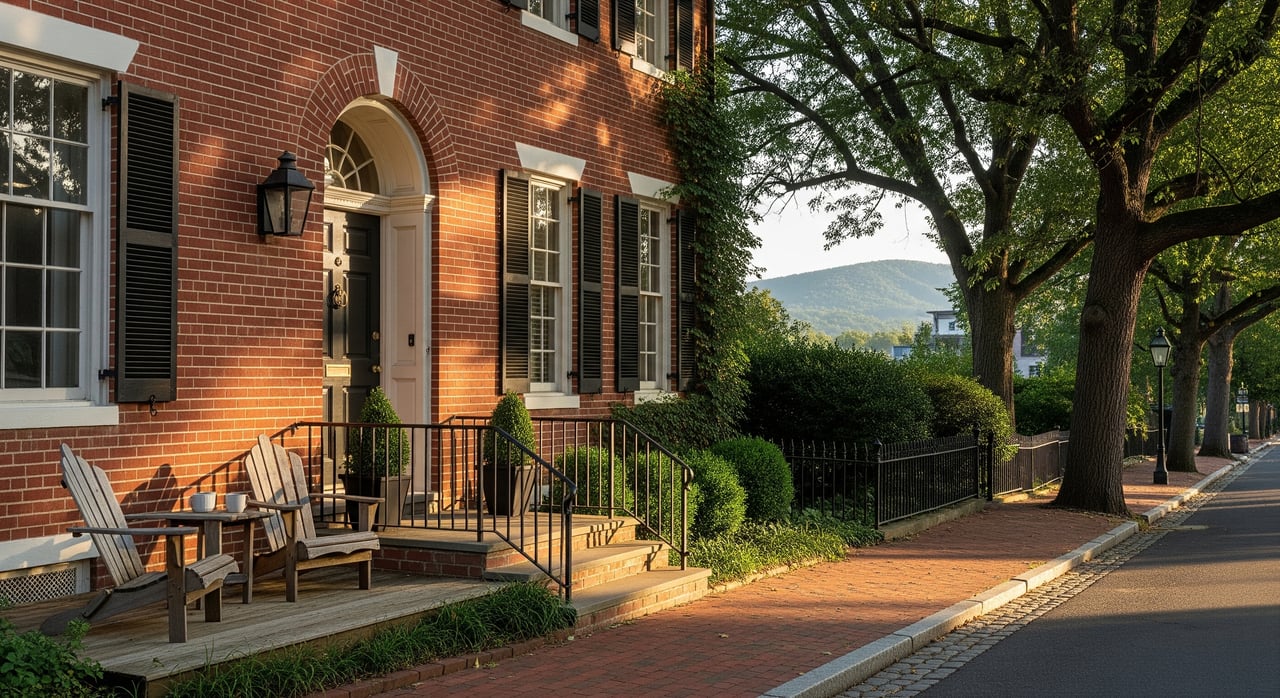
Just beyond the county line, downtown Staunton offers brick sidewalks, independent shops, galleries, and a lively performance scene. The American Shakespeare Center’s Blackfriars Playhouse is a year-round anchor, with restaurants and cafes clustered nearby. If you want errands on foot and regular evening shows, a home close to downtown can make that routine real. For a feel of downtown life, skim the Staunton Visitor Guide.
Housing near Staunton’s historic districts tends to be older, with restored period homes and smaller condos or apartments in classic buildings. Buyers coming from larger cities often appreciate the walkable scale and historic character.
Waynesboro’s vibe blends service, light manufacturing, and creative reuse. Former industrial buildings in Basic City now house taprooms and maker spaces, and the city’s breweries add a casual social scene. You trade a bit of walkability for fast access to I-64 and US-250, plus quick drives to mountain trailheads east of town. To sample the scene, browse a roundup of Shenandoah Valley craft breweries.
Homes in and around Waynesboro include a mix of established neighborhoods and newer development. The layout favors driving for most errands, with parks, rivers, and Blue Ridge access close by.
If convenience tops your list, Fishersville and Stuarts Draft function as suburban-edge hubs. Expect supermarkets, big-box options, and service businesses that make weekly routines simple. Fishersville is home to the Augusta Health medical campus, a major local services destination. For a quick local snapshot, see Fishersville’s overview and the Augusta Health campus location.
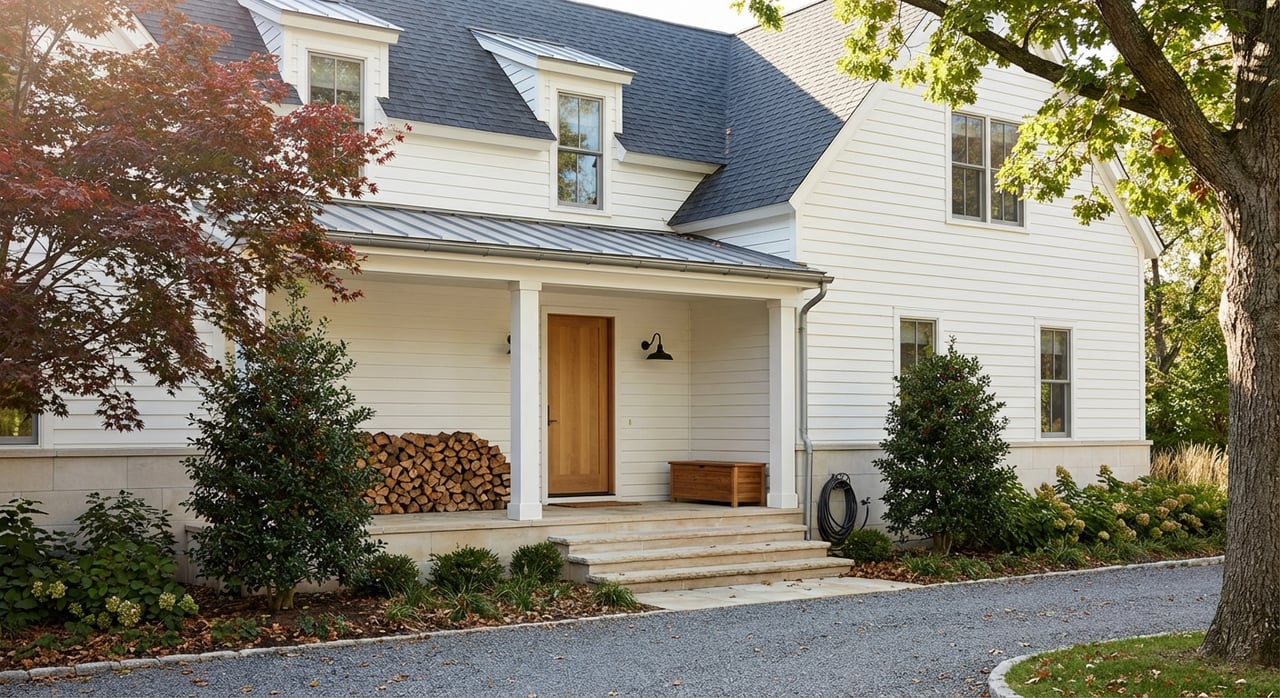
Neighborhoods here tend to be newer, with subdivisions, ranch and split-level homes, and some townhouse clusters. You will likely drive for most errands and after-school activities.
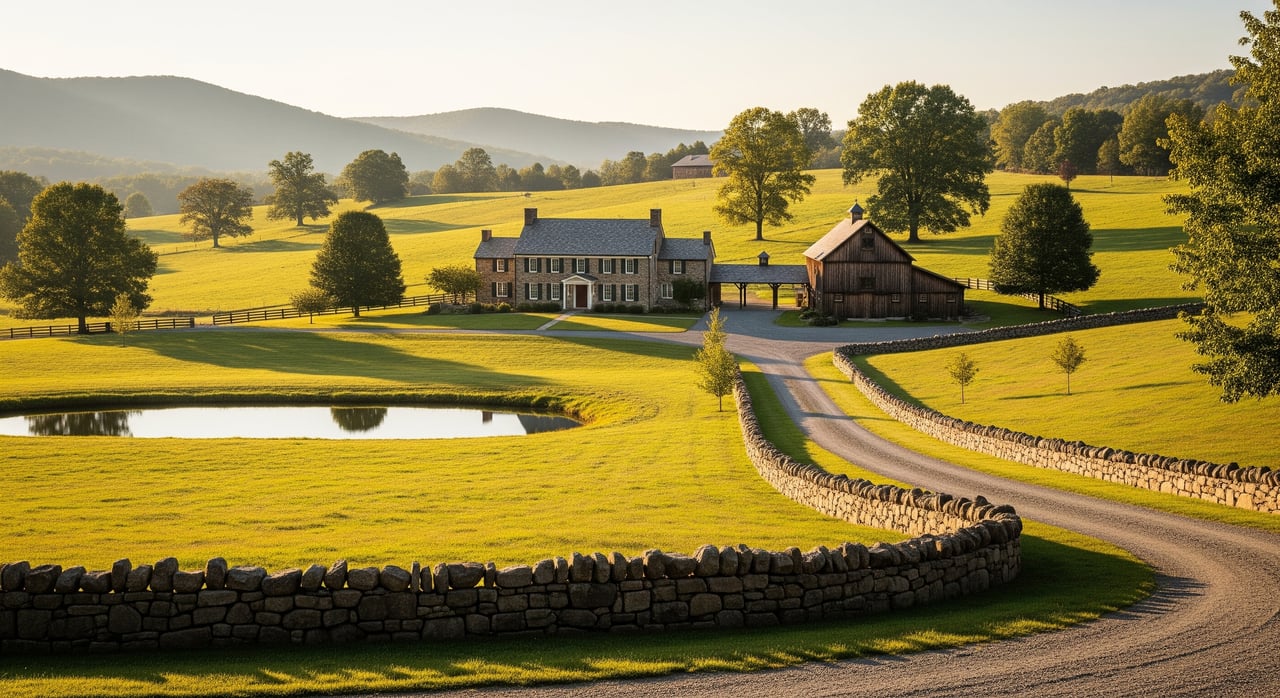
Head west and northwest to find rural pockets like Craigsville, Middlebrook, and Mount Solon. The landscape shifts to farm fields, forested slopes, and winding roads. Homes often sit on larger lots with a mix of historic farmhouses and modern builds. Daily routines include longer drives to retail and more time outdoors on weekends.
Driving is the default in Augusta County. Regional planning data show most residents drive alone for work, and public transit options are limited outside compact downtowns. Typical commutes in the Central Shenandoah region fall in the low to mid 20 minutes on average, though trips to Charlottesville or Harrisonburg can be longer depending on where you live and where you work. For a deeper dive, review the region’s transportation demand management plan.
Common employment destinations include Staunton, Waynesboro, Fishersville, and nearby job centers in Harrisonburg or Charlottesville. If you want fewer miles on the odometer, start by mapping drive times from a specific address to your most likely destinations during peak hours.
Walking and biking are practical in small pockets like downtown Staunton and a few compact hamlets. Most county neighborhoods are car oriented. If you plan to go car-light, focus your search in the most walkable areas and verify any transit or shuttle options.
One of Augusta County’s biggest advantages is how close you are to mountains, rivers, and parks. You have county parks like Natural Chimneys, large sections of the George Washington National Forest, and easy portals to the Blue Ridge Parkway and Shenandoah National Park near Rockfish Gap. Use the Augusta County Parks and Recreation directory to map your nearest trailheads, river access, and campgrounds.
A few sample weekends:
You will find a broad mix of homes across Augusta County and the adjacent small cities. In and near Staunton’s historic districts, look for 19th-century Federal and Victorian architecture, often part of National Register listings. For a sense of the historic fabric across Virginia, see the state’s National Register index.
In Fishersville and Stuarts Draft, you will see newer subdivisions alongside renovated mid-century homes. Driveways, garages, and yard space are the norm. Rural and mountain-edge properties often come with acreage, and many rely on wells and septic systems. When you tour, verify utilities, broadband options, and any private road or maintenance agreements.
Market headlines shift month to month. Rather than fix on one median price, check current numbers with your agent the week you plan to write an offer. That way, you base decisions on the latest inventory, days on market, and neighborhood-level comparables.
Use these examples to picture your week in different parts of the county.
When you are relocating or weighing a lifestyle shift, steady local guidance matters. With patient, strategy-first advising and deep regional knowledge, our team helps you compare neighborhoods, verify utility and school details, and plan realistic commutes. If you are remote, we handle boots-on-the-ground previews, video tours, and clear next steps so you can move forward with confidence.
Whether you want a historic walk-up near downtown, a practical home close to Augusta Health, or acreage with mountain access, we tailor the search to your daily life. Ready to explore Augusta County with a trusted local partner? Schedule a consultation with Gavin Sherwood Real Estate.

Contact Gavin today to learn more about his unique approach to real estate and how he can help you get the results you deserve.
969 2nd St SE Charlottesville VA 22902