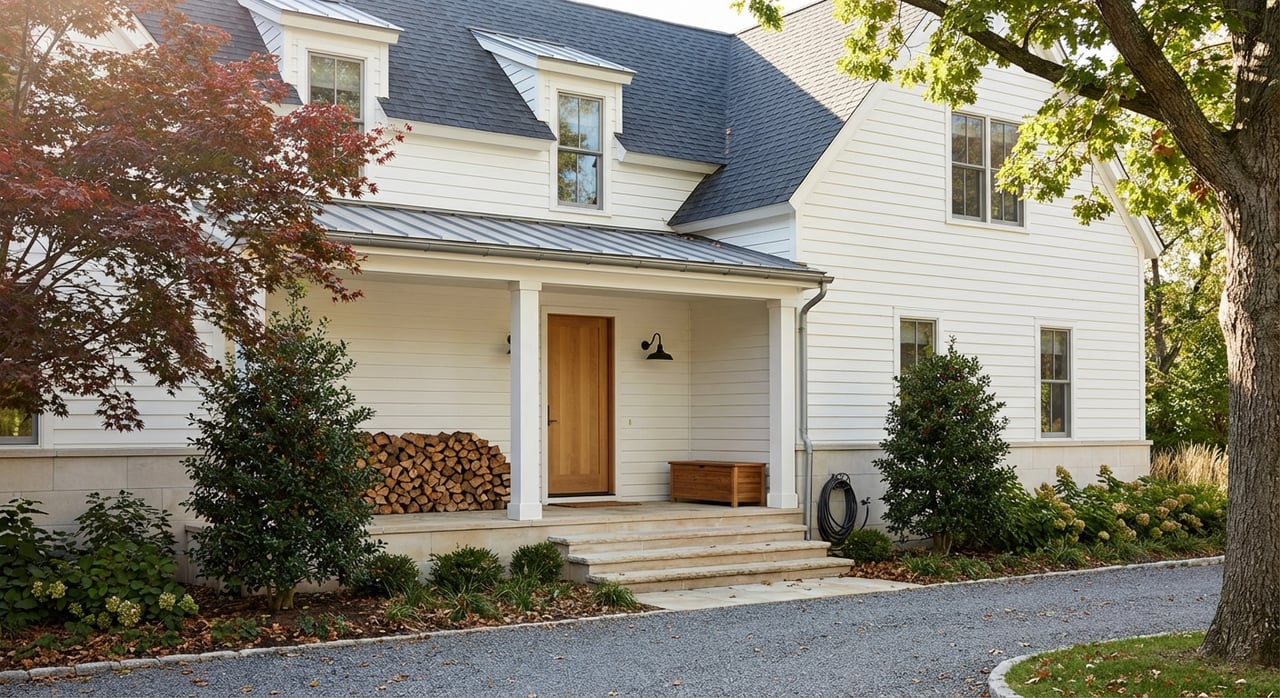
Your Guide to Buying a Second Home in Nelson County VA
February 19, 2026
February 19, 2026
Thinking about a mountain escape you can slip away to on weekends and share with friends and family? Nelson County offers ski days at Wintergreen, hiking to waterfalls, and a lively Route 151 tasting trail, all within a few hours of many Mid‑Atlantic cities. If you are weighing a second home here, you want clear answers on financing, taxes, permits, utilities, and upkeep before you buy. This guide gives you the essentials, with local links and a practical checklist so you can move forward with confidence. Let’s dive in.
Nelson County blends resort living with rural landscapes. On the mountain, Wintergreen Resort’s year‑round activities support steady visitor demand in every season. In the valley, the Route 151 corridor draws guests to wineries, breweries, and scenic drives.
It is a mixed market. Mountain condos and townhomes at or near Wintergreen behave differently than single‑family homes and acreage in the Rockfish Valley or near Lovingston. If rental income is part of your plan, expect seasonal patterns to affect pricing, occupancy, and cleaning cadence.
Work with a local agent to pull sub‑market comps and help you compare mountain properties to valley homes. Pricing, HOA rules, and access needs can vary street by street.
Your intended use drives everything from loan options to county filings. Clarify whether you plan to:
Conventional lenders follow Fannie Mae’s second‑home definitions. A second home is typically a one‑unit property you will occupy part of the year, that is suitable for year‑round use, and that remains under your control. If you plan to rent the property frequently or rely on rental income to qualify, your lender may treat it as an investment property. Share your use plan with your lender early so you choose the right loan path from day one.
For conventional loans, expect higher credit standards and cash‑reserve requirements than a primary residence. Many lenders want you to document several months of mortgage payments in reserves for second homes or investment properties. Rental income from the property generally cannot be used to qualify for a true second‑home mortgage under agency rules.
Government‑backed products like FHA and VA are built for primary residences, not vacation homes. If you are exploring those options, review occupancy rules with an approved lender and read a plain‑English primer on restrictions for government loans and rentals, such as this overview of FHA and VA occupancy limits. Your best next step is a quick call with a local mortgage pro to confirm the right program and down payment for your situation.
Property taxes: Nelson County’s real estate tax rate is $0.65 per $100 of assessed value. Bills are issued twice a year. Confirm current rates and due dates on the county’s tax rates page.
Lodging tax for STRs: If you plan to short‑term rent, Nelson County’s Transient Occupancy Tax is 7 percent. Third‑party platforms often remit the tax, but hosts are still responsible for county filings and documentation. You must also hold a county business license to operate an STR. See the county’s Short‑Term Rentals guidance for details.
Income taxes: Rental income is taxable. Rules differ based on your personal use and level of participation. Keep good records and consult a CPA on deductions, depreciation, and state filings.
Nelson County requires STR operators to obtain a business license and to follow specific filing procedures for the lodging tax. Start with the county’s Short‑Term Rentals page to confirm what applies at your address. If your property is within Wintergreen, the property owners association maintains additional rental and notification rules. You must comply with both county and any HOA or POA requirements.
Planning updates or renovations? The county’s Building Inspections office enforces the Virginia Uniform Statewide Building Code. Many projects require permits, inspections, and scheduled approvals. Review fees and timelines on the Building Inspections page before you draft your scope.
Many rural properties use wells and septic systems. Public water and sewer are available only in select service areas. The Nelson County Service Authority operates systems serving Wintergreen, Lovingston, Schuyler, Piney River, and parts of Stoney Creek Village. Confirm availability by contacting the Nelson County Service Authority before you write an offer.
If a property has a septic system, Virginia law sets permitting and maintenance standards. As a buyer, you should order a septic inspection and request pump‑out and maintenance records. Review the state’s onsite sewage code for context on permitting and performance standards via the Virginia Code section on onsite sewage.
Electric service varies by location through regional providers, and many rural homes use propane, oil, wood, or heat pumps rather than natural gas. For internet, some addresses have fiber or cable while others rely on satellite. Mountain and valley terrain affects cellular coverage, so verify service at the address.
Check FEMA maps during due diligence. If a property lies within a Special Flood Hazard Area, most lenders will require flood insurance. Use the FEMA Flood Map Service Center to review panels for the parcel and confirm with your lender and insurer. The county has also discussed updated flood map adoption, so verify current information at the time you buy.
Plan for winter access if your driveway is steep or remote. Arrange snow removal, keep a minimum heat setting, and prepare a water shut‑off plan if the home will sit vacant in cold snaps.
Short‑term rentals can help offset carrying costs, especially near Wintergreen and Route 151. To operate smoothly and stay compliant, build your plan before your first booking.
Mountain and rural homes need proactive care. Common items include HVAC servicing, septic pumping, gutter and roof checks, vegetation management, and winterization. For slopes and longer private drives, plan for snow removal and routine surface maintenance.
If you live out of the area, budget for a local point person or a property manager. A small reserve fund for emergency repairs, utilities, and seasonal work will keep surprises from derailing your plan.
A trusted local agent makes remote ownership feel easy. Here is what you can expect when you work with an experienced Wintergreen and Nelson County advisor:
Gavin Sherwood Real Estate pairs boots‑on‑the‑ground service for remote buyers with a calm, consultative process and a proven track record in resort and acreage transactions. You get patient guidance and practical execution from search to close and beyond.
Ready to explore available homes and map a smart plan for your second home in Nelson County? Schedule a friendly, no‑pressure consult with Gavin Sherwood Real Estate to get local insight, vetted resources, and steady, step‑by‑step support.


Contact Gavin today to learn more about his unique approach to real estate and how he can help you get the results you deserve.
969 2nd St SE Charlottesville VA 22902