Everyday Life In Charlottesville: A Local-Style Overview
February 5, 2026
February 5, 2026
What will your average Tuesday look like in Charlottesville? Maybe you’ll walk to coffee near the Downtown Mall, hop a short bus to work by UVA, and catch a show at the Jefferson Theater after dinner. If you’re picturing a move, you want the real, everyday rhythm — not just the postcard moments. In this local-style overview, you’ll learn how people live here: neighborhoods, commutes, errands, parks, weekends, and housing tradeoffs. Let’s dive in.
Charlottesville is a small, historic university city shaped by the University of Virginia and nearby Monticello. These anchors drive the cultural calendar, job market, and seasonal pace. The city is compact, with a defined downtown core, walkable pockets around UVA, and suburban neighborhoods extending into Albemarle County. Because of the university, daytime activity often feels larger than the resident population suggests.
The Downtown Mall is the pedestrian heart of the city. You can handle many errands on foot here, with restaurants, cafés, bookstores, and live music venues clustered along the brick promenade. Street activity is frequent, especially on pleasant evenings. The Corner, beside UVA, leans student-oriented with casual eateries, bars, and bookstores, and it follows the academic calendar for its busiest times.
Belmont, Fifeville, Fry’s Spring, and parts of North Downtown offer residential streets where you can walk to a café, a small grocer, or a neighborhood park. Housing here ranges from older single-family homes to small apartment buildings and condos. If you want a routine that includes strolling to dinner or walking your dog on quiet blocks, these areas are good places to focus.
As you head into Albemarle County or out along Route 29 and 250 corridors, homes and commercial centers spread out. You’ll often find larger yards, newer construction, and planned subdivisions. Daily life here usually means driving for errands, school, and activities, with sidewalks and transit less continuous than in the core.
UVA and UVA Health are major employers, so many commutes are short trips within the city or between Charlottesville and Albemarle County. Many people still drive, but walking, biking, and bus routes are viable near downtown and campus. Expect traffic to thicken on the Route 29 corridor at peak times and during big UVA events like football games and graduation.
Charlottesville Area Transit (CAT) runs local bus service centered on the downtown/UVA core, with routes that make car-light living possible if you choose the right neighborhood. Regional services like Jaunt expand access in the county. For longer trips, Amtrak serves the downtown station with connections to regional destinations, and Charlottesville-Albemarle Airport (CHO) provides flights to major hubs.
If you like to bike, the Rivanna Trail network and city bike lanes offer a mix of recreational riding and some commuter connections. Cycling infrastructure tends to be strongest near the core and river corridor.
Downtown uses metered street parking and parking decks; on-street spaces can be limited at peak times. If you plan to drive to work or dinner downtown, budget for parking and arrive a bit early on busy evenings and event days.
In and around the Downtown Mall, you’ll find specialty shops and smaller grocers for quick trips. Larger supermarkets and big-box retailers are concentrated along major corridors outside the core, so suburban residents usually combine errands by car.
You’ll find plenty of independent coffee shops and cafés that double as informal work and study spots. The university presence fuels a steady buzz of study-friendly spaces and community meetups.
Charlottesville’s food culture punches above its size, with many farm-to-table restaurants, bakeries, and local cafés. On Saturdays, the Charlottesville City Market draws residents for produce, prepared foods, and artisan goods — it’s a weekly ritual for many. The city is also a gateway to the Monticello wine region, with nearby vineyards, craft breweries, and cideries shaping weekend plans and social time.
For live performances, residents look to the Paramount Theater and the Jefferson Theater. The Fralin Museum of Art at UVA hosts exhibitions, and campus programming keeps lectures and performances on the calendar. Community festivals, including music and food events like the Tom Tom Founders Festival and the Dogwood Festival, recur seasonally and bring energy to the core.
Daily outdoor time is easy to fit in. The Rivanna River corridor, McIntire Park, and neighborhood parks offer space for walking, running, and dog time. Many residents weave a short loop or playground trip into their weekday routines.
Weekend adventures are close. The Blue Ridge Parkway and Shenandoah National Park, including Skyline Drive, are within an approximately hour-plus drive depending on your route. You can hike, enjoy scenic overlooks, and plan seasonal leaf-peeping trips without complex logistics.
Carter Mountain Orchard is a classic local outing for seasonal fruit picking and sweeping views. Many residents mix in winery and brewery stops across the region, especially on mild spring and fall weekends.
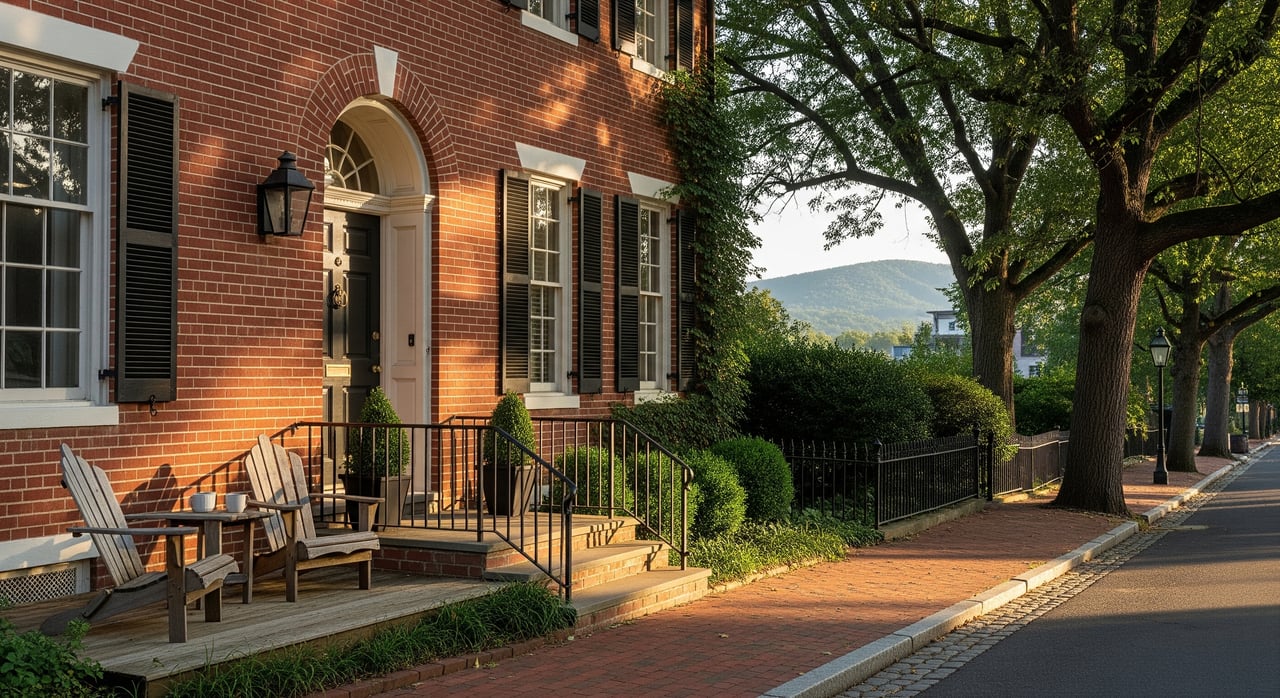
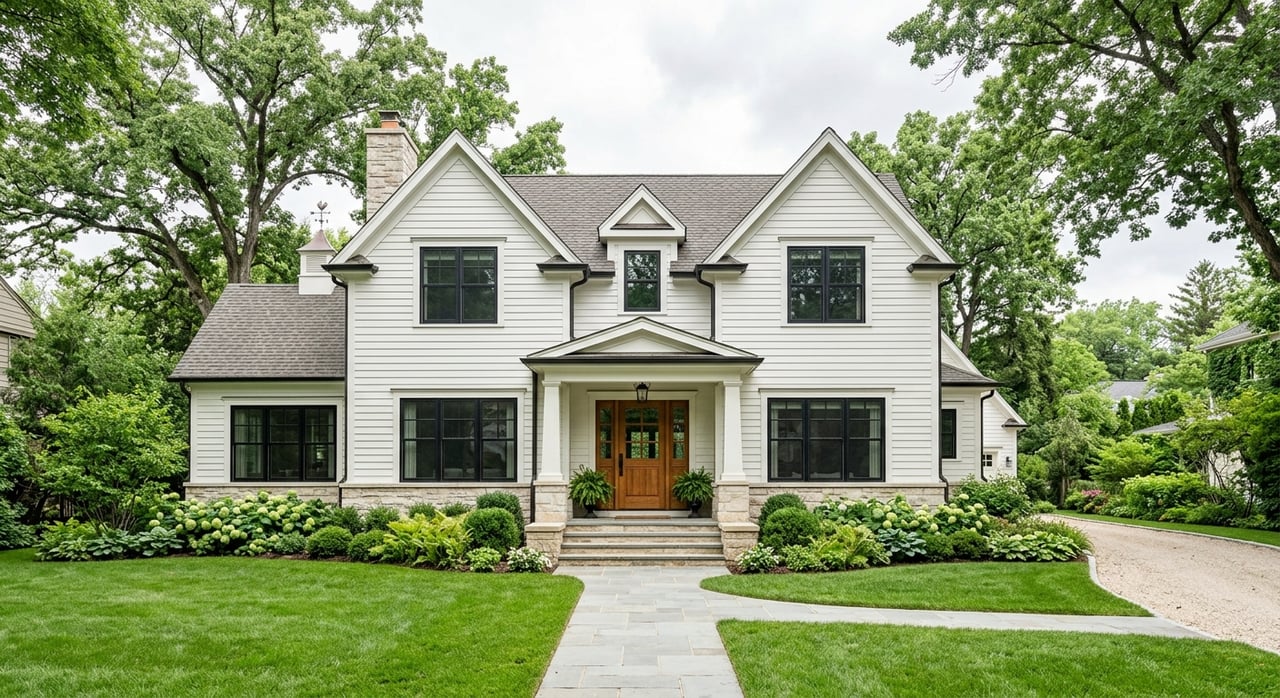
In the city core, you’ll see historic brick Federal and Victorian homes, rowhouses, craftsman bungalows, small apartment buildings, and condos. Near UVA, student housing and rentals are common, and annual lease cycles often reflect the academic calendar.
Beyond city limits, Albemarle County offers ranch and split-level homes, planned subdivisions, townhomes, and larger lots. New construction and infill have increased along some corridors, and you’ll also see mixed-use projects near commercial areas.
In recent years, the area has generally seen rising housing costs and competitive conditions, especially in walkable neighborhoods and close to UVA and downtown. Buyers who prioritize walkability and cultural proximity typically pay more per square foot than those choosing newer homes or larger lots farther out.
Charlottesville City Schools serve city residents, and Albemarle County Public Schools serve the county. School boundaries and programs can change, so confirm current assignments with official district maps if schools are part of your decision.
UVA Health and the University Hospital form the regional medical center, with additional clinics and specialty practices around the area. This provides strong access for routine and specialty care.
Within city limits, municipal departments handle utilities, trash, and recycling. In Albemarle County, services vary, so check providers and billing policies for your address during your due diligence.
Pick proximity on purpose. If you want a short commute or to avoid daily driving, choose a home near your workplace or along a CAT route.
Plan for event days. UVA football, graduation, and large campus events affect traffic and parking. Build in time or choose alternate routes.
Know the parking routine. Downtown relies on meters and decks; bring payment options and consider garages on busy nights.
Watch seasonal rhythms. Student move-in and move-out shift traffic near campus; fall leaf season and winery weekends bring visitors; Saturday City Market crowds the core.
Budget your lifestyle. Cost of living is higher than rural Virginia and lower than major metros, with housing as the main variable. Dining and services reflect a small-city mix of independents and regional chains.
Choosing the right Charlottesville lifestyle comes down to matching your daily routine to the right neighborhood. Whether you want to walk to the Downtown Mall, find a family-friendly county subdivision, or plan a second home with easy access to the Blue Ridge, you deserve a calm, strategy-first advisor. With 80+ successful closings and over $29M in transaction value, our approach is patient, evidence-based, and tailored to your goals. If you’re moving from afar, we provide boots-on-the-ground support, from preview videos to local service introductions, so you can act with confidence.
Ready to map out your Charlottesville day-to-day and narrow your search to the right blocks? Schedule a consultation with Gavin Sherwood Real Estate.
Contact Gavin today to learn more about his unique approach to real estate and how he can help you get the results you deserve.
969 2nd St SE Charlottesville VA 22902