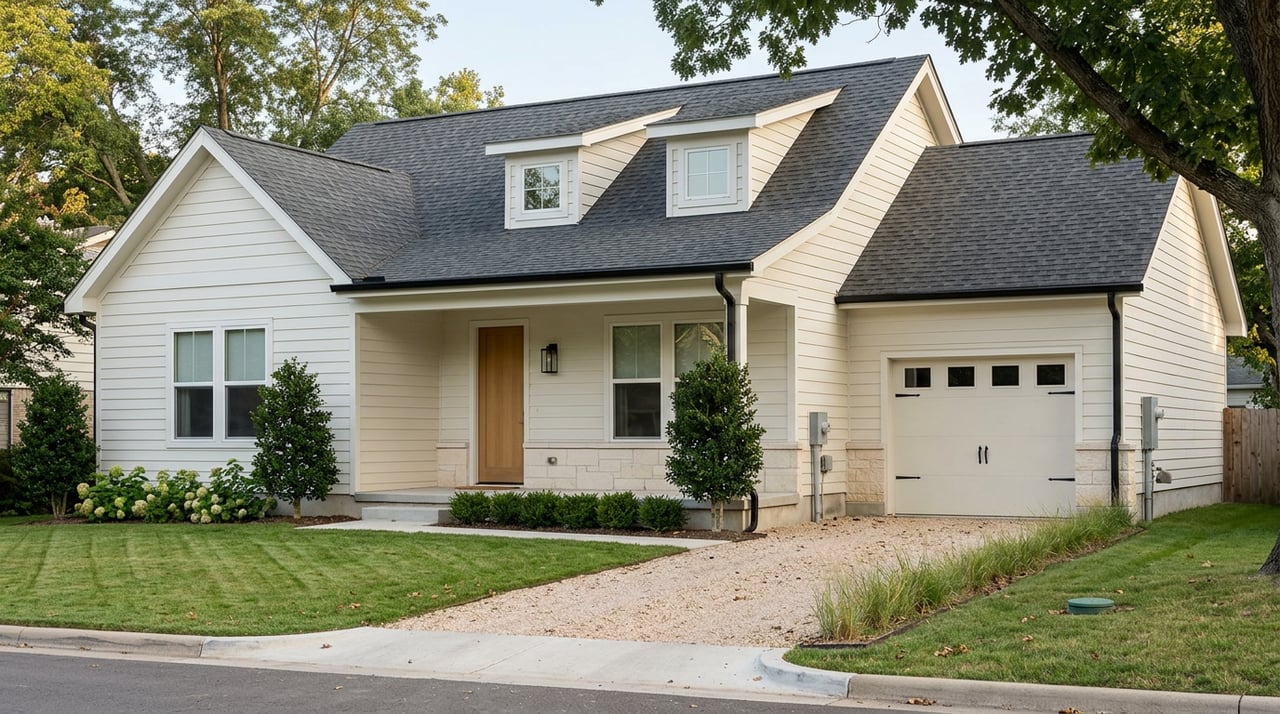
Building or Buying in Louisa County: A Local Guide
March 5, 2026
March 5, 2026
Are you torn between building your dream home from the ground up or buying an existing property in Louisa County? It is a big decision, especially with Lake Anna, rural acreage, and growth areas like Zion Crossroads all offering different paths. You want clarity on timelines, costs, utilities, and permits so you can move forward with confidence. This guide walks you through the local factors that matter most, plus the steps to take next. Let’s dive in.
Time to move in
Customization and condition
Site and utilities
Budget and financing
Risk and management
Louisa County requires zoning approval and building permits for new single-family homes. You will work through the Community Development Center for permits, inspections, and scheduling, and you should confirm setbacks and other zoning standards before you design. The county publishes permit packages and checklists to help you plan. Start with the zoning permits page and related resources. Zoning and shoreline permits
If your lot is not on public water and sewer, private well and septic rules will drive both feasibility and cost. Virginia’s Private Well Regulations require permits, proper siting, and a Record of Inspection before a well can be used. Virginia Private Well Regulations The Sewage Handling and Disposal Regulations set the standards for percolation, absorption area, and septic design. Soil and perc results often determine whether a lot is buildable and whether you need an advanced treatment system. Virginia septic regulations
A recent Virginia appellate case involving a Louisa County well shows how failing to follow required siting and inspection processes can lead to legal and sale challenges. This is a reminder to follow the Virginia Department of Health and county processes closely. Illustrative appellate case
Lake Anna communities often have shoreline permits, dock rules, and HOA covenants that affect building placement, slip ownership, and short-term rental policies. If your decision hinges on lake access or a dock, gather shoreline permit requirements and HOA architectural rules early in your process. The county’s zoning permits page links to shoreline materials. Zoning and shoreline permits
Public water and sewer can reduce site costs and speed approvals. Parts of Louisa, including Zion Crossroads, have public water and wastewater systems, while many lake and rural parcels rely on wells and septic. Verifying service territory with the Louisa County Water Authority can materially change your budget. Service area context
Electric providers and fiber availability vary by location. Louisa County’s partnership with Firefly Fiber and regional electric utilities is extending broadband across the county over multiple years. Availability remains street by street, and utility make-ready work can add cost and time for rural hookups. Confirm service at the parcel level before you buy. County fiber and broadband overview
If your new driveway connects to a state-maintained road, you may need a VDOT land-use review. The county’s building and inspections materials flag when VDOT permits apply. Plan for this step in your schedule. Permits and inspections checklist
Across the U.S., recent Survey of Construction data summarized by NAHB shows that single-family build times continue to trend upward. A practical planning window is 8 to 14 months from permit to completion on average, with custom builds commonly taking 12 or more months. In Louisa County, the lot’s soils, well and septic approvals, shoreline permits, utility make-ready, and inspection scheduling can push timelines longer. NAHB timing context
When you price a build, break your budget into clear buckets so you can compare build vs. buy apples to apples:
Building requires steady coordination. You will select a builder, agree on allowances, line up financing draws, and handle inspections and utility scheduling. Weather, supply lead times, and site surprises can shift your plan. Buying resale reduces these moving parts, which is why it often wins on speed and predictability when the right home is available.
Most buyers choose one of two paths for construction financing:
Construction-only loan. This is a short-term, interest-only loan that you refinance into a permanent mortgage after the home is complete. It gives you flexibility later but typically means two closings and two sets of costs.
Construction-to-permanent loan. Also called single-close or one-time close, this loan funds draws during construction and converts to a standard mortgage at completion without a second closing. It usually involves one appraisal and protects you from take-out risk. Construction loan overview
In both models, the lender underwrites the completed value and releases draws as milestones are met. During construction, you typically pay interest only on the amount drawn, and the loan amortizes after conversion. Builders often must be approved by the lender, and you should expect documented reserves or contingency lines. How community bank construction lending works
Buying can be the smart move when you value speed, want a known neighborhood pattern, or you prefer to avoid site uncertainty. If a resale property already has the lake access or acreage features you want and the price aligns with your budget, the total cost and time to occupancy often favor buying. In markets like Lake Anna, the presence of shoreline rules, HOA covenants, and potential advanced septic needs can tip the balance toward a move-in-ready option.
Use this checklist before you write any offer on land:
Zoning and allowed uses. What is the parcel zoning and what can you build? Ask Louisa County Planning and Zoning for a zoning confirmation letter and review setbacks. Community Development
Water and sewer availability. Is the parcel in a public water and sewer service area, or will you need a private well and septic? Service area status can change your site cost and timeline. Service area context
Soils and septic feasibility. Has a perc or soils evaluation been completed? If not, budget for testing and a septic design. Poor soils can require advanced treatment and raise costs. Virginia septic regulations
Well feasibility and water quality. Are there depth or bedrock considerations? Plan for required permits, bacteriological testing, and the Record of Inspection before use. Virginia Private Well Regulations
Floodplain, RPA, wetlands, and shoreline. Is the lot in a floodplain or subject to Lake Anna shoreline rules that add setbacks or restrict certain structures? Zoning and shoreline permits
Easements and setbacks. Are there recorded easements or utility rights-of-way that limit building placement? Confirm with the county and your title review. Community Development
Access and road maintenance. Is access via a public, VDOT-maintained road or a private road? Private roads may require maintenance agreements. Driveway connections to state roads may trigger VDOT review. Permits and inspections
HOA or covenants. For Lake Anna or subdivisions, request HOA covenants, architectural rules, dock and slip policies, and any short-term rental rules before you commit.
Broadband and electric service. Who provides electric at the parcel, and is fiber already on the street? Confirm make-ready costs and installation timing with the provider. County fiber overview
Ask your agent for current comparables for your specific micro-market, such as lake-access communities, Zion Crossroads, or rural acreage. Use those figures to benchmark build vs. buy.
For any lot you like, gather a zoning confirmation letter, recorded covenants or HOA documents, a soils and perc evaluation, a well feasibility opinion, and a floodplain or RPA check using county GIS and permit resources. Community Development
Interview builders for an itemized site-prep estimate, allowance list, and realistic build schedule with draw milestones. Get lender quotes for both construction-to-permanent and two-close options so you can compare total costs and rate risk. Construction financing primer
Contact utilities early. Confirm the electric provider for the parcel and ask about line extensions or pole work. Check Firefly or county broadband updates to understand fiber rollout timing on your street. County fiber and broadband
For Lake Anna lots, request shoreline and dock rules, boat slip documentation, short-term rental policies, and any HOA resale certificates if rental income is part of your plan. Zoning and shoreline permits
Choosing whether to build or buy in Louisa County often comes down to three local factors: whether you have public water and sewer or need a well and septic, what your soils and shoreline or floodplain constraints allow, and how quickly utilities and broadband can be delivered to your site. If you confirm those three items, get a clear builder schedule, and compare construction-to-permanent financing against a two-close structure, you will have the clarity to decide with confidence.
If you want a calm, step-by-step plan tailored to your goals around Lake Anna, Zion Crossroads, or rural acreage, start a conversation with a local advisor who knows both land and homes. Reach out to Gavin Sherwood Real Estate to map your path forward.


Contact Gavin today to learn more about his unique approach to real estate and how he can help you get the results you deserve.
969 2nd St SE Charlottesville VA 22902