Albemarle County Real Estate: Town or Country Living?
June 18, 2026
June 18, 2026
Are you trying to decide between a more connected, convenience-first lifestyle and the space and privacy that come with a rural setting? In Albemarle County, that choice is not just about taste. It is shaped by how the county plans growth, transportation, and land use. If you are weighing town versus country living, this guide will help you understand the real tradeoffs so you can choose with more confidence. Let’s dive in.
In Albemarle County, the clearest dividing line is the county’s Growth Management Policy. The county directs most new growth to its Development Areas, while the Rural Area is reserved mainly for agriculture, natural resource protection, and some homes. According to the county’s comprehensive planning framework, Development Areas cover about 5% of the land, while the Rural Area covers about 95%.
That matters because “town living” in Albemarle usually does not mean a traditional incorporated town. Instead, it often means living in or near one of the county’s planned activity centers. These are areas designed around a mix of housing, businesses, and services where daily needs are closer together.
The county identifies activity-center opportunities in places such as Places29 North and South, Crozet, Pantops, the Southwest Area, and the Village of Rivanna. In practical terms, that means town-centered living in Albemarle tends to be about access and convenience. Country living, by contrast, is usually about open land, privacy, and a more agricultural or forested setting.
If you choose a home in one of Albemarle’s Development Areas, you are generally choosing a location shaped around efficiency and access. The county encourages a variety of housing types there and supports more compact development patterns. While there is no single countywide lot-size rule that defines these areas, the planning approach clearly favors neighborhood-oriented growth.
For many buyers, that can mean a lifestyle with shorter errands and easier access to services. The county’s housing guidance notes that homes located near employment, shopping, healthcare, and other amenities can reduce transportation demand and shorten daily trips. If convenience is high on your list, this is a major advantage.
Town-centered living can also offer more transportation options, depending on the area. Albemarle County does not run its own transit system, but some parts of the county are served by fixed-route or commuter options in the greater Charlottesville area. That can make a difference if you want flexibility in your daily routine.
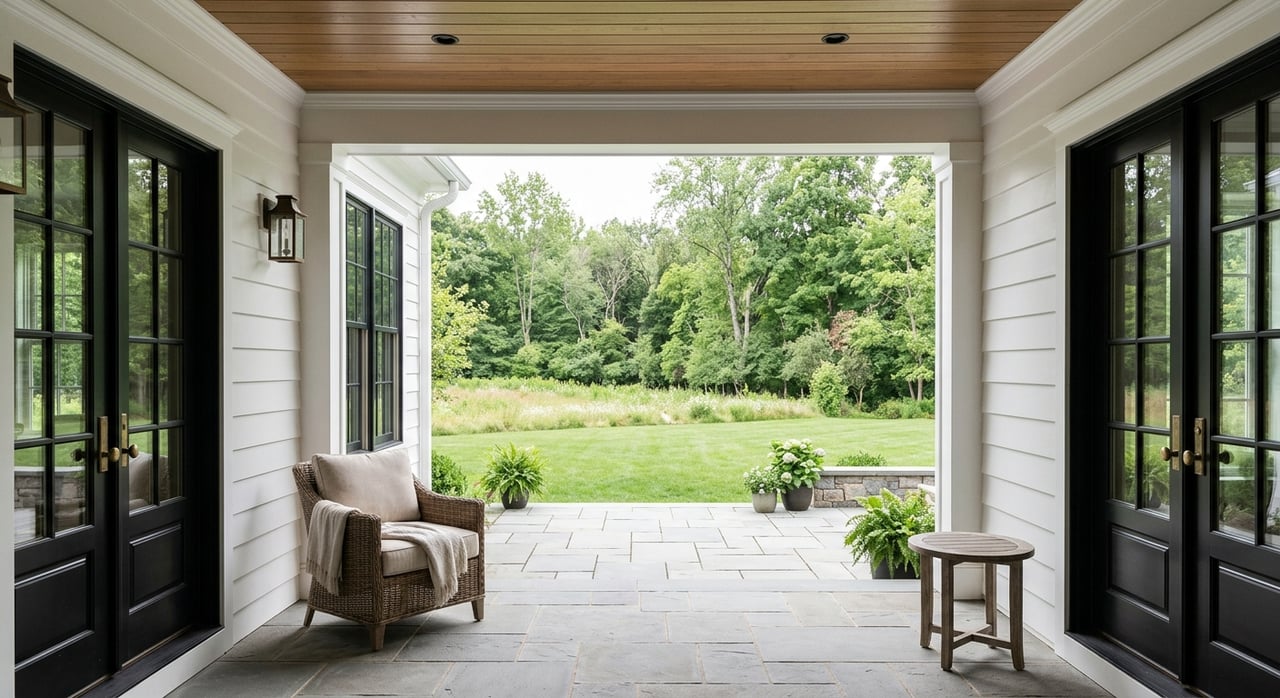
Living in Albemarle’s Rural Area is a different experience. The county’s goal there is to conserve and restore the natural environment while supporting agriculture and forestry. That creates the setting many buyers picture when they think about country living: more land, more separation between homes, and a stronger connection to the landscape.
Some rural communities do include small-scale crossroads-style uses such as stores, offices, daycare, doctor or dentist offices, post offices, and community centers. Still, the overall pattern is not built around close-together services the way Development Areas are. You should expect a more car-dependent lifestyle and longer drives for many day-to-day needs.
For the right buyer, that tradeoff is worth it. If you want privacy, room to spread out, and a setting shaped by farmland, woods, or open views, the Rural Area may fit your priorities far better than a convenience-first location.
One of the biggest differences between town and country living in Albemarle County comes down to how land is used. In Development Areas, county policy supports efficient land use and a range of housing options. That often translates into more compact neighborhoods and homesites that prioritize access over acreage.
In the Rural Area, the rules are much different. In the RA district, parcels have a 21-acre minimum lot size without a development right. If unused development rights are available and confirmed through county review, lots between 2 and 20.99 acres may be possible.
This is an important point for buyers looking at land or rural homes. Development rights are theoretical until they are confirmed through review, so parcel-specific due diligence matters early. If you are considering a rural purchase because you may want to create an additional lot or build more than one dwelling, that question should be addressed before you get too far into the process.
The county’s recent building pattern reinforces the town-versus-country split. County materials say about 84% of new homes built from 2012 through 2022 were in the Development Areas, with 16% in the Rural Area. That does not mean one option is better than the other, but it does show where most new residential growth has been happening.
For buyers, this can affect the kinds of inventory you see. In Development Areas, you are more likely to find homes that reflect the county’s growth strategy and more compact neighborhood patterns. In the Rural Area, inventory may be more limited, more varied, and more dependent on parcel-specific factors.
That is one reason local market guidance matters so much in Albemarle County. Two properties may both be listed as being in Albemarle, yet offer very different daily experiences, future flexibility, and land-use constraints.
Your commute is often where the town-versus-country choice becomes most real. The countywide mean travel time to work is 22.2 minutes, which offers a useful baseline. Still, your actual experience can vary a lot depending on whether your home is close to activity centers, services, and employment hubs, or farther out in the Rural Area.
The county’s housing chapter makes the tradeoff plain. Homes closer to jobs, shopping, healthcare, and amenities tend to shorten daily trips. Homes farther away usually require more driving and more vehicle miles traveled.
If your week includes regular commuting, school drop-offs, errands, appointments, or frequent trips into Charlottesville, location can shape your quality of life just as much as the home itself. A beautiful rural setting may come with a rhythm you love, but it may also ask more of your calendar.
Transportation options also differ by setting. Albemarle County relies on partner systems rather than operating its own transit service. JAUNT provides rural on-demand service, commuter routes, and paratransit, while Charlottesville Area Transit provides fixed-route bus service in the greater Charlottesville area, including limited portions of Albemarle County.
The county specifically names Crozet Connect and 29 North Connect as commuter routes. Crozet Connect provides workday public transit from east and west Crozet to UVA and Downtown Charlottesville. 29 North Connect offers weekday commuter service from the Hollymead area to UVA and Downtown Charlottesville.
For some buyers, those routes add meaningful value to town-centered living. They can provide another commuting option in certain Development Area locations. Rural homes may still be part of the broader transportation network, but in general they are more likely to depend on driving for most daily movement.
No lifestyle decision is complete without a budget reality check. Countywide, the median value of owner-occupied housing units is $495,400. The median monthly owner costs with a mortgage are $2,309, and the median gross rent is $1,692.
These figures are broad countywide benchmarks, not a direct town-versus-country price comparison. Still, they provide helpful context as you think about affordability and monthly carrying costs. In Albemarle County, the right fit is not just about purchase price. It is also about how your location affects transportation, maintenance expectations, and long-term plans.
For many buyers, the easiest way to narrow the choice is to start with your day-to-day priorities. If shorter errands, easier access to services, and more transportation options matter most, a Development Area location may be the better match. If land, privacy, and a preserved rural setting matter more, the Rural Area may be the better fit.
It also helps to think beyond the listing photos. Ask yourself how often you want to drive for groceries, appointments, or work. Think about whether you want a lower-maintenance setup or whether you are comfortable with the responsibilities that can come with more land.
If you are buying in the Rural Area, add land-use review to your early checklist. Development rights, lot configuration, and future plans for the parcel can all affect value and flexibility. This is especially important if you are shopping for acreage, considering a multi-use property, or hoping for future building options.
Albemarle County offers a wide range of living environments within one market. That is part of what makes it appealing, but it can also make the decision harder. A home near an activity center in Crozet or 29 North will often serve a very different lifestyle than a rural parcel elsewhere in the county.
This is where a patient, local approach can help. Comparing micro-markets, commute patterns, lot-size preferences, and parcel-specific rules takes more than a quick online search. It takes local context and a clear understanding of how your goals match what each property can realistically offer.
If you are weighing town versus country living in Albemarle County, a strategy-first conversation can save you time and help you focus on the options that truly fit. When you are ready to talk through neighborhoods, acreage, commute tolerance, or the details of a rural property search, connect with Gavin Sherwood.
Contact Gavin today to learn more about his unique approach to real estate and how he can help you get the results you deserve.
969 2nd St SE Charlottesville VA 22902